
The allure of excitement and thrill
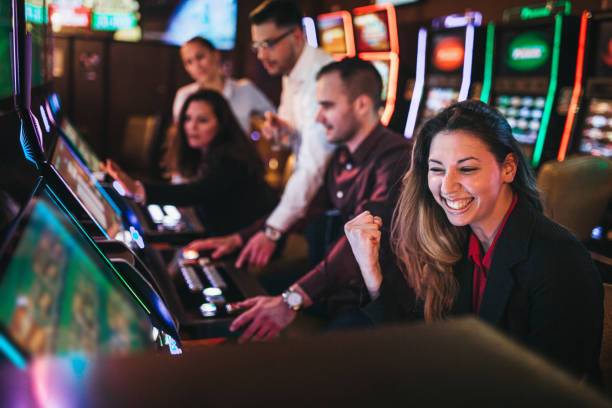
The rush of excitement is one of the central psychological drivers behind the attraction to casinos. When individuals step into a casino, they are immediately enveloped in a vibrant environment filled with flashing lights, energetic sounds, and vivid displays. This sensory overload creates an adrenaline-fueled experience, where the possibility of winning substantial amounts of money heightens excitement levels. For many players, exploring various betting sites offers a similar thrill, as the prospect of hitting a jackpot or experiencing an unexpected win can trigger a euphoric response, drawing them back into the casino time and again.
This thrill-seeking behavior is rooted in psychology. The anticipation of a potential reward releases dopamine in the brain, which is often associated with pleasure and motivation. Essentially, each time a player spins the slot machine or places a bet at the poker table, they engage in a behavior that could lead to a rewarding payoff. This creates a cycle of anticipation, excitement, and reward, making the experience addictive. The brain becomes conditioned to seek out these moments of thrill, leading to repeated visits.
Moreover, the competitive spirit often encountered in casino environments can further amplify the excitement. Whether playing against others or themselves, players find themselves in a social gamble that enhances their overall experience. The mixture of competition, high stakes, and the allure of victory makes visiting a casino a unique adventure that many individuals crave for its emotional highs. This collective thrill can often lead to a shared sense of community among players, further embedding them in the casino culture.
The role of social interaction
Casinos are not merely places for gambling; they are social hubs that attract a diverse crowd. The interaction with fellow players, the camaraderie formed at gaming tables, and the shared experiences during wins and losses all contribute to the allure of casinos. For many, visiting a casino is as much about the social connections made as it is about the games played. Friendships can deepen over a shared love of card games or slots, making these establishments a popular choice for social outings.
Additionally, casinos often host events and promotions that encourage large groups to gather, amplifying the sense of community. Socializing in such an environment can provide a feeling of escapism where players can momentarily leave their daily stresses behind. Engaging with strangers over roulette or celebrating with friends after a big win creates memorable experiences that players treasure, forging lasting bonds and loyalty to the casino. This social aspect is particularly vital for those who might feel isolated in their everyday lives.

This aspect of social interaction also caters to individuals who may feel isolated in their daily lives. The welcoming atmosphere and the opportunity to engage with others make casinos attractive destinations for those seeking connection. Such social environments promote positive feelings and reinforce the idea that gambling can be a fun, shared experience rather than a solitary endeavor. As people come together to share their experiences, they create a tapestry of stories and memories that deepen their connection to the casino experience.
The psychological effects of risk and reward
The thrill of risk and the yearning for reward are fundamental to human psychology, and casinos capitalize on this dynamic. Many individuals are naturally drawn to risk-taking behavior, and casinos provide a safe space to explore this inclination. When players engage in games of chance, they experience a controlled form of risk—one that is exciting without significant long-term consequences. This controlled environment allows players to push their boundaries without real-life repercussions, creating a unique blend of excitement and safety.
The concept of risk and reward triggers a unique cognitive process. Players often assess the odds of winning versus losing, which creates a mental stimulation that can be very satisfying. This mental engagement keeps players invested in the game and can lead to a phenomenon known as “chasing losses,” where individuals continue to bet in hopes of recovering previous losses. Such behaviors are rooted in a mix of optimism bias and the gambler’s fallacy, which can falsely encourage players to believe that luck will eventually favor them. This psychological investment can create a cycle of behavior that keeps players returning for more.
Understanding this psychology is crucial for casinos, as they design games and environments that amplify these experiences. From the layout of the casino floor to the structure of gaming promotions, everything is meticulously crafted to enhance risk-taking behavior while providing a visceral sense of reward. This strategic manipulation of psychological tendencies is what keeps players returning, despite the inherent risks involved. As players become more engaged, the cycle of risk and reward becomes more pronounced, reinforcing their desire to participate.
The impact of environmental design
The physical layout and design of casinos play a critical role in shaping the players’ experience and reinforcing behavior patterns. Bright lights and engaging sounds create an atmosphere that is both stimulating and immersive. The strategic placement of games, the use of colors, and the arrangement of slot machines are all deliberate choices aimed at encouraging players to stay longer and gamble more. Studies show that the design of casino interiors can influence behavior by affecting mood and perception, ultimately leading to an increase in spending.
For instance, casinos often employ a circular layout that encourages exploration and minimizes the chance of players wanting to leave. This design not only keeps players engaged but also helps them lose track of time. Without windows or clocks, individuals can immerse themselves in the fun, often oblivious to the hours passing by. This tactic plays into the idea of creating a ‘time-less’ environment where the thrill of gambling supersedes all else, making it easy for players to become engrossed in the experience.
Moreover, the use of positive reinforcement through rewards—such as complimentary drinks or loyalty points—serves to enhance the overall experience while linking pleasurable sensations to continued play. Every aspect of the casino environment is crafted to build anticipation and excitement, creating a feedback loop that keeps players engaged. This manipulation of design psychology is a powerful tool that casinos utilize to ensure that their patrons remain enchanted and willing to partake in the gaming experience, often leading to longer visits and increased spending.
Exploring more about the casino experience
For those looking to understand the intricate psychology behind the love of casinos, exploring various resources can provide deeper insights. Many websites, articles, and studies focus on gambling behaviors, casino design, and the overall emotional impacts of gaming. By delving into this information, individuals can gain a broader perspective on why casinos hold such an enduring fascination for many. This exploration can also reveal the broader social, economic, and behavioral implications of gambling.
Moreover, understanding the psychological mechanisms at play can also help gamblers make more informed choices. Recognizing the emotional triggers and environmental influences might empower players to enjoy gaming responsibly. Engaging with informative materials can also be an opportunity to explore responsible gaming practices and understand the fine line between entertainment and potential dependence. Awareness of one’s own tendencies can lead to healthier approaches to gambling.
As the casino industry continues to evolve, so too does our understanding of why people are drawn to these vibrant establishments. Armed with knowledge, players can navigate their experiences with a balanced approach, allowing them to enjoy all the excitement that casinos have to offer while remaining aware of their own psychological tendencies. The journey into the psychology of casinos is not just enlightening but can also enhance the overall experience for many who seek to partake in the thrill of gaming, ensuring that their time in these establishments is both enjoyable and responsible.

Comments are closed